What is art therapy?
Art therapy uses creating as a way into material that is hard to reach through conversation alone. A picture does not have to be coherent or pretty – it is enough that it comes into being. Very often what appears on the paper (the colour, the pressure, what takes the centre and what stays at the edge) shows something the participant has not yet put into words. The conversation comes later and rests on something concrete.
The sessions have two parts: your own creative work (drawing, painting, newspaper collage, working with clay or modelling compound, mixed media) and pausing together over what has been made. We do not interpret anyone’s work for them and nobody has to share everything – the author decides how much to show and how much to say. We provide the materials; you don’t need to bring anything.
Art therapy can be especially helpful for children and teenagers, for people after a loss or in crisis, in cases of high tension and burnout, and for people who “have nothing to talk about” in a therapist’s office. The group will be led by someone trained in art therapy; we divide groups by age.
What does it look like in practice?
Frequently asked questions
Answers to the most important questions
Specialists who run group sessions

mgr Anna Grabowska-Sawosz
Psychologist
View profile
mgr Sabina Siegieda
Psychologist, Systemic psychotherapist, Dietitian
View profile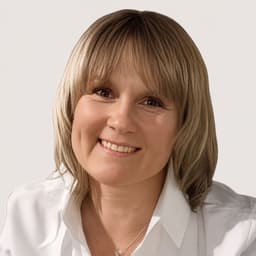
mgr Tatiana Chmielewska
Psychologist, Child Psychologist
View profile
mgr Magdalena Raba
Psychologist, Psychotherapist in training
View profile
mgr Sandra Małkowska
Psychologist, Child Psychologist, Psychodietitian
View profile
Based on our specialists' own answers in the team survey.