Clinically verified
The content of this article has been verified by the specialist team of the Sztuka Harmonii Psychological Centre.
Psycho-oncology - psychological support in cancer
A cancer diagnosis changes everything. It changes the perception of time, priorities, and relationships with loved ones. It changes the way a person looks at their own body and future. Oncological treatment - chemotherapy, radiotherapy, surgery - is an enormous physical burden. But an equally great burden, often underestimated by the healthcare system, is what happens in the patient's mind and heart. This is where psycho-oncology steps in.
What is psycho-oncology?
Psycho-oncology is a field that combines psychology with oncology. It addresses the psychological, emotional, and social aspects of cancer - both for the patient and their loved ones. A psycho-oncologist is a specialist trained to work with people who are struggling with a cancer diagnosis, undergoing treatment, are in remission, or are supporting a loved one through illness.
Psycho-oncology is not an alternative to medical treatment. It is its indispensable complement. Scientific research consistently shows that psychological support during oncological treatment improves patients' quality of life, helps them cope with treatment side effects, and strengthens motivation to continue fighting the disease.
When is it worth seeking help from a psycho-oncologist?
There is no wrong time to ask for support. A psycho-oncologist can help at every stage of the disease:
- Right after diagnosis - when shock, fear, and disbelief make it difficult to think clearly and make treatment decisions
- During treatment - when the side effects of chemotherapy or radiotherapy affect mood, sleep, appetite, and relationships
- After treatment ends - when fear of recurrence appears, difficulty returning to "normality," and the feeling that others don't understand
- In case of disease recurrence - when facing the diagnosis once again
- In palliative care - when the goal becomes quality of life rather than cure
Many patients hesitate about whether "their problem is serious enough" to see a psychologist. The truth is that every emotion accompanying cancer is important and deserves attention. You don't need to be in a crisis to seek support.
Emotions accompanying cancer
Cancer triggers a whole range of emotions - and each one is normal. Patients most commonly experience fear of death, of pain, of what the next test will reveal. Anger appears - at the disease, at fate, sometimes at doctors or loved ones. Sadness and grief over lost health, plans, and dreams. Guilt - for getting sick, for burdening the family, for not being "strong enough." Shame related to changes in appearance - hair loss, surgical scars, weight changes. And also loneliness - the feeling that no one understands what you are going through.
A psycho-oncologist does not try to "fix" these emotions or eliminate them. They help you understand, name, and experience them in a way that doesn't destroy the patient from within. They provide space to talk about things that often cannot be discussed with loved ones - about the fear of death, about exhaustion from fighting, about moments of weakness.
What does working with a psycho-oncologist look like?
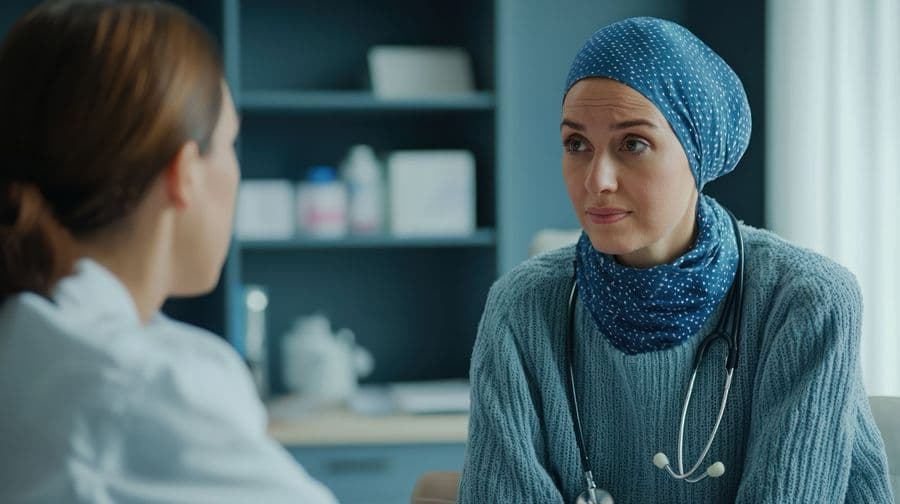
A session with a psycho-oncologist is a conversation - conducted at the patient's pace and on their terms. There is no "right" way to have such a conversation. You don't need to be "ready" or know what you want to talk about. The psycho-oncologist is prepared for silence, for tears, for anger - and for any other reaction.
In psycho-oncological work, various methods are used, tailored to individual needs. These may include elements of cognitive-behavioral therapy, which helps cope with intrusive thoughts and anxiety. Relaxation techniques and mindfulness, which help reduce tension. Work on body image after surgery or during chemotherapy. Support in communicating with doctors when the patient feels overwhelmed by the amount of medical information. As well as help with conversations with loved ones - how to talk to children about the illness, how to ask for help, how to deal with the excessive protectiveness of those around you.
Psycho-oncology and depression and anxiety disorders
Research indicates that up to 40% of cancer patients experience clinically significant depressive symptoms, and anxiety disorders occur in approximately 30%. Unfortunately, these conditions often remain undiagnosed - both patients and doctors assume that "sadness is normal in such a situation." And while sadness is indeed normal, clinical depression requires treatment. Untreated depression worsens oncological prognosis because it affects motivation for treatment, immune function, and quality of life.
A psycho-oncologist can distinguish natural sadness associated with illness from depression requiring intervention. If necessary, they may suggest a psychiatric consultation and collaborate with a psychiatrist to provide the patient with comprehensive care.
Support for loved ones of cancer patients
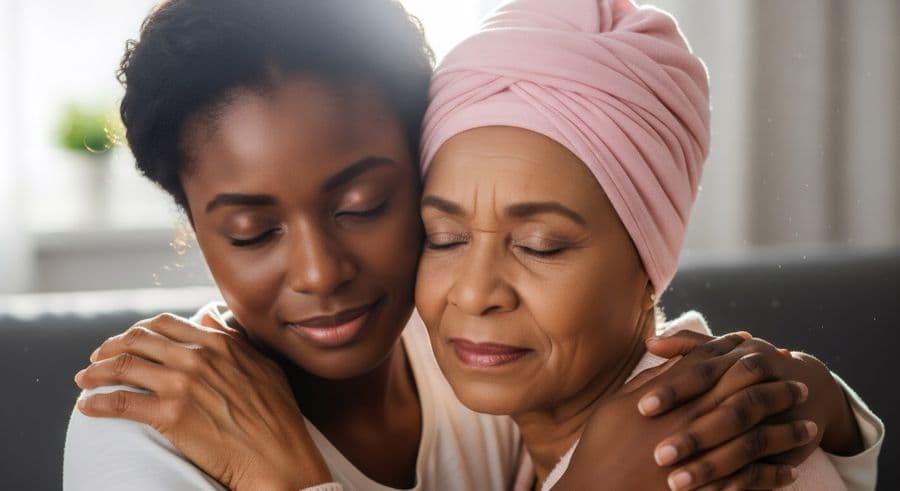
Cancer affects not only the patient themselves. Partners, children, parents, friends - everyone experiences their own emotions, often without space to express them. Loved ones of cancer patients often feel they "have no right" to sadness or fear because "they are not the ones who are sick." A psycho-oncologist also works with families - helping them cope with emotional burden, maintain their own psychological balance, and effectively support their sick loved one.
Psycho-oncological support at Sztuka Harmonii
At the Sztuka Harmonii Psychological Center in Gdansk, psycho-oncological consultations are conducted by Adrianna Gronert, M.A. - a psychologist and psycho-oncologist with experience working with cancer patients and their families. Ms. Gronert specializes in psychological support at every stage of cancer - from the moment of diagnosis, through treatment, to remission or palliative care. Her approach is based on empathetic accompaniment and professionalism.
At our center, we also offer individual psychotherapy for people who need long-term support in coping with the psychological consequences of illness, as well as online consultations for patients who cannot reach the office due to their health condition or distance.
If you or your loved one is struggling with cancer and needs psychological support - call 732 059 980. You don't have to go through this alone. Help is available and does not require any referral.